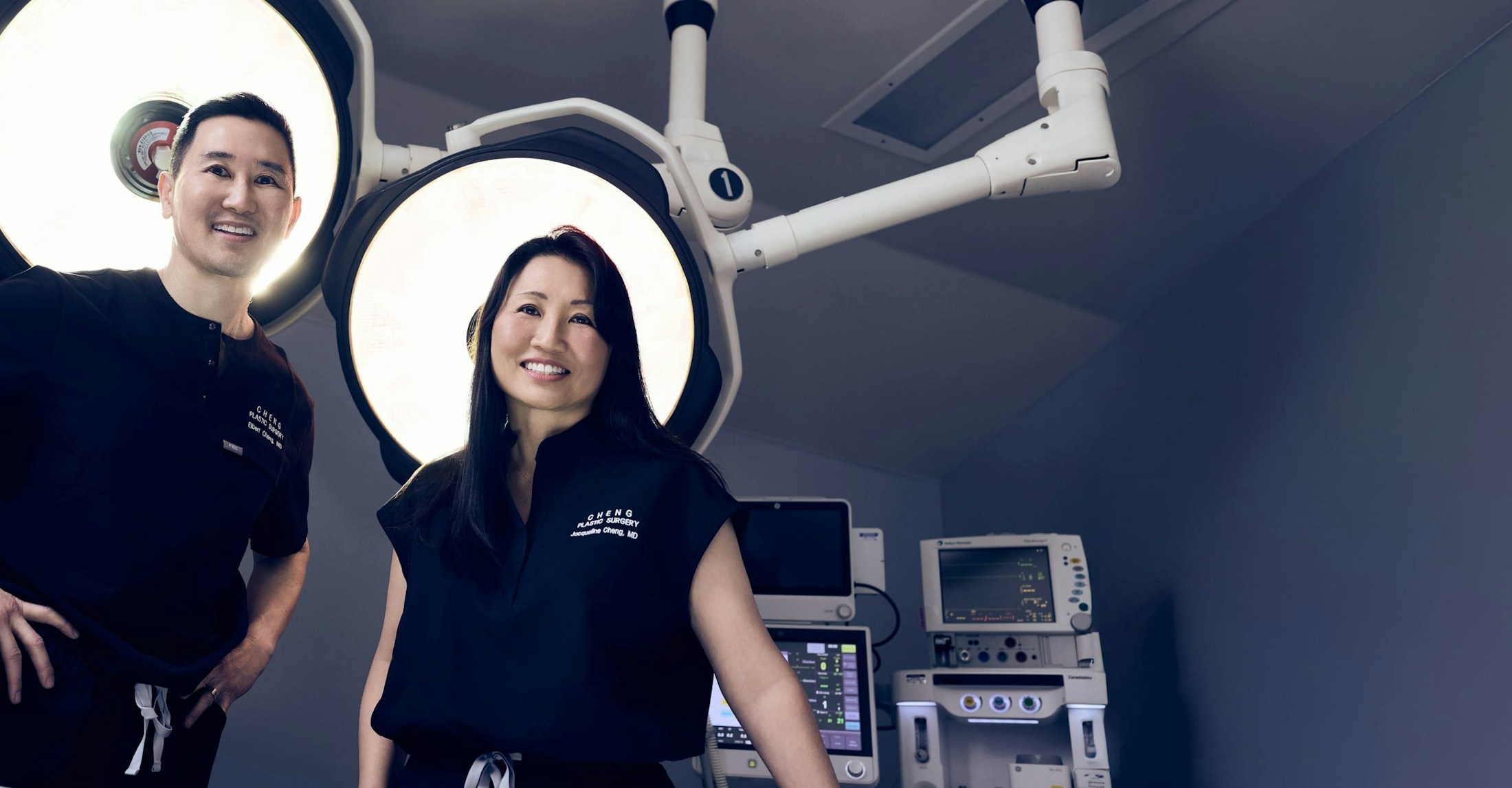

Facial fat grafting, also called facial fat transfer, restores lost facial volume using your own fat instead of a synthetic product. At Cheng Plastic Surgery, Drs. Jacqueline and Elbert Cheng harvest fat from an area such as your abdomen or thigh, purify it, and reinject it to soften lines, fill hollow temples and cheeks, and refresh the areas around your eyes and mouth. Because the fat is your own living tissue, rich in adipose stem cells, the results look natural and can last for years.
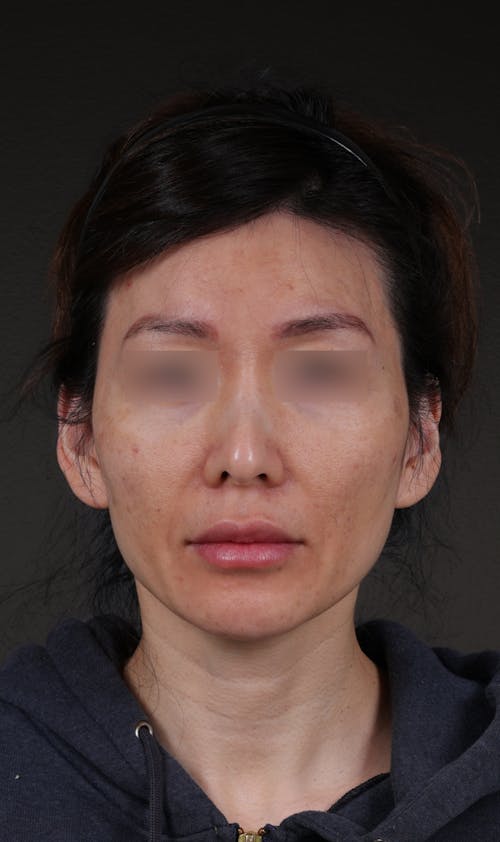
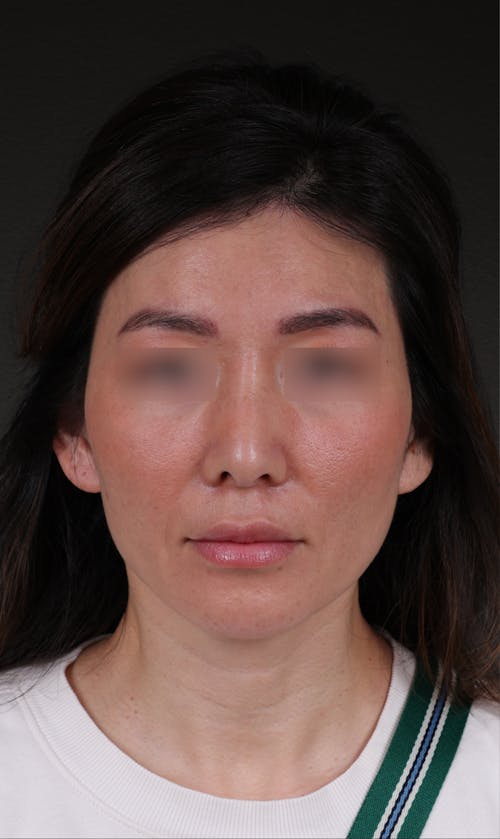
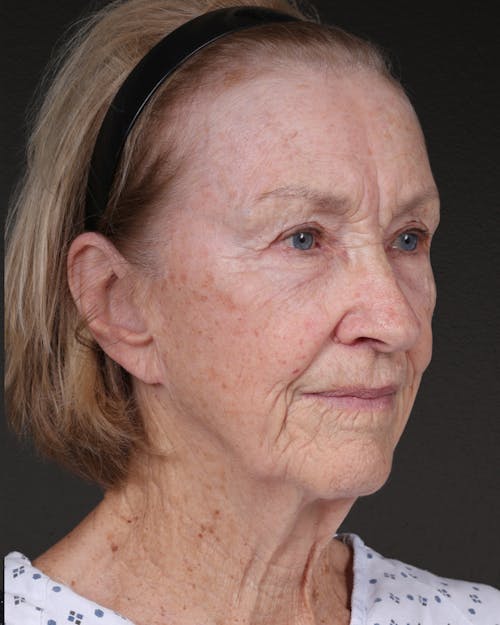
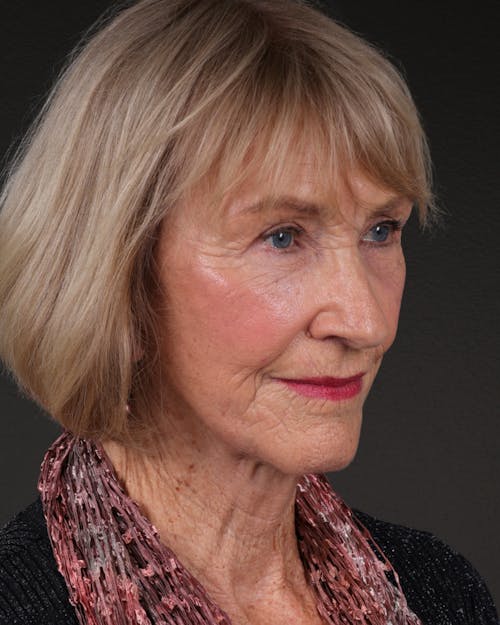
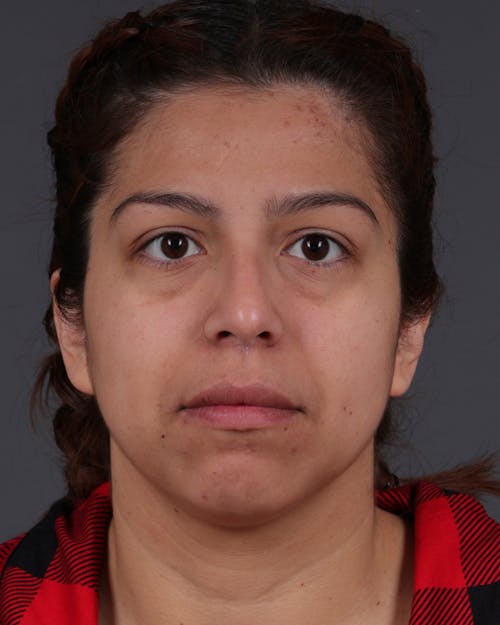
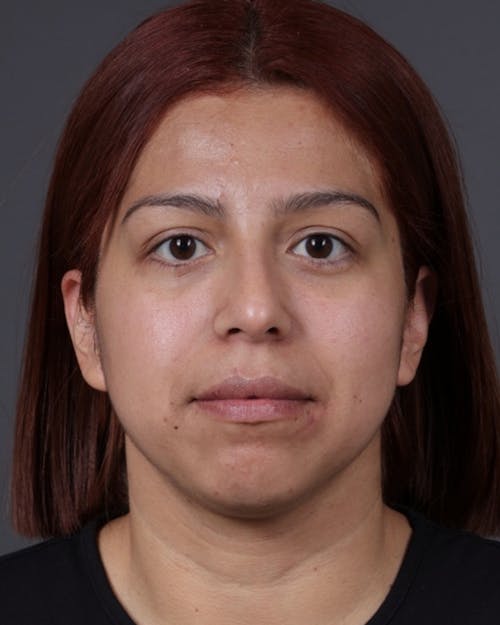
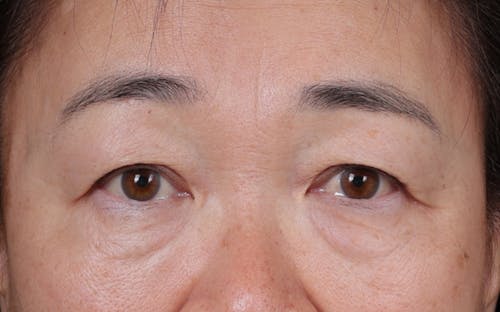
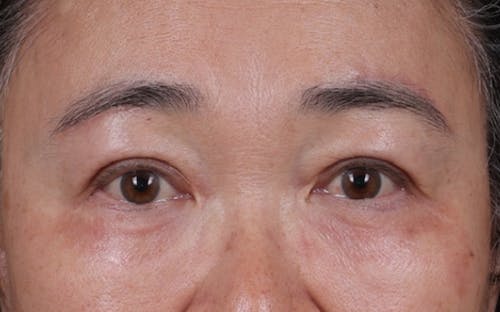
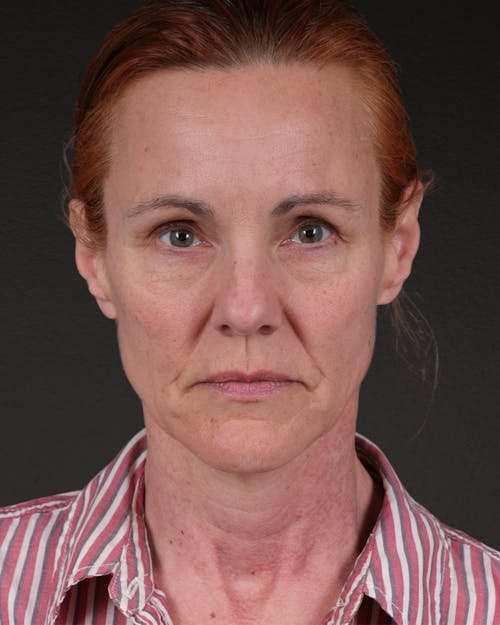
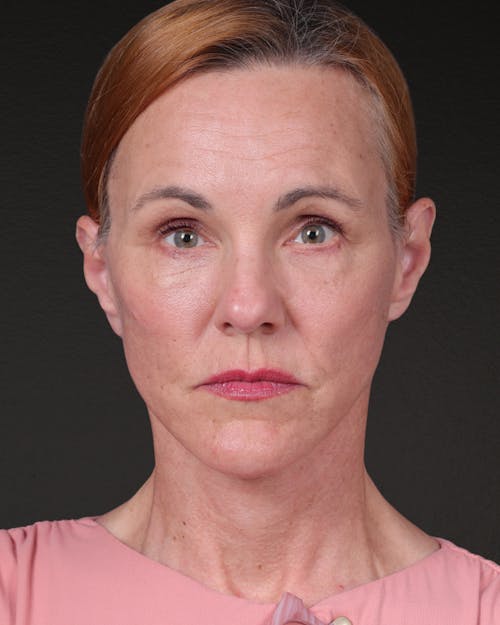


How Much Transferred Fat Survives and How We Maximize It
Fat grafting results vary from person to person, and not every transferred fat cell survives. In our practice, volume improvement typically ranges from 30 to 90 percent, with the final result apparent after about six months.
Survival depends heavily on technique. For a facial fat graft to take hold, the fat must be harvested carefully so it does not break the rich population of adipose stem cells inside it, and the transplanted fat has to establish a blood supply to keep thriving. Capturing the full complex of nutrients and regenerative elements in the fat is the first objective. Poor technique can drop acceptance to 30 percent or less, which shrinks the overall result. Some surgeons try to compensate by overfilling the injection site, but that can create uneven or unpredictable results.
Drs. Jacqueline and Elbert Cheng are known for the purity of their harvesting and injection technique, placing a precise amount of fat in the proper location to reach high acceptance rates. Over more than twenty years, we have also seen steady gains in skin texture and quality from the biostimulatory effects of stem cells, stromal vascular tissue, and growth factors, which is why we often combine nanofat with procedures such as eyelid or facelift surgery.