Saratoga (408) 741-9982 Redwood City (650) 227-9693
Translate icon
Book Now

A Personalized Approach to Hair Restoration

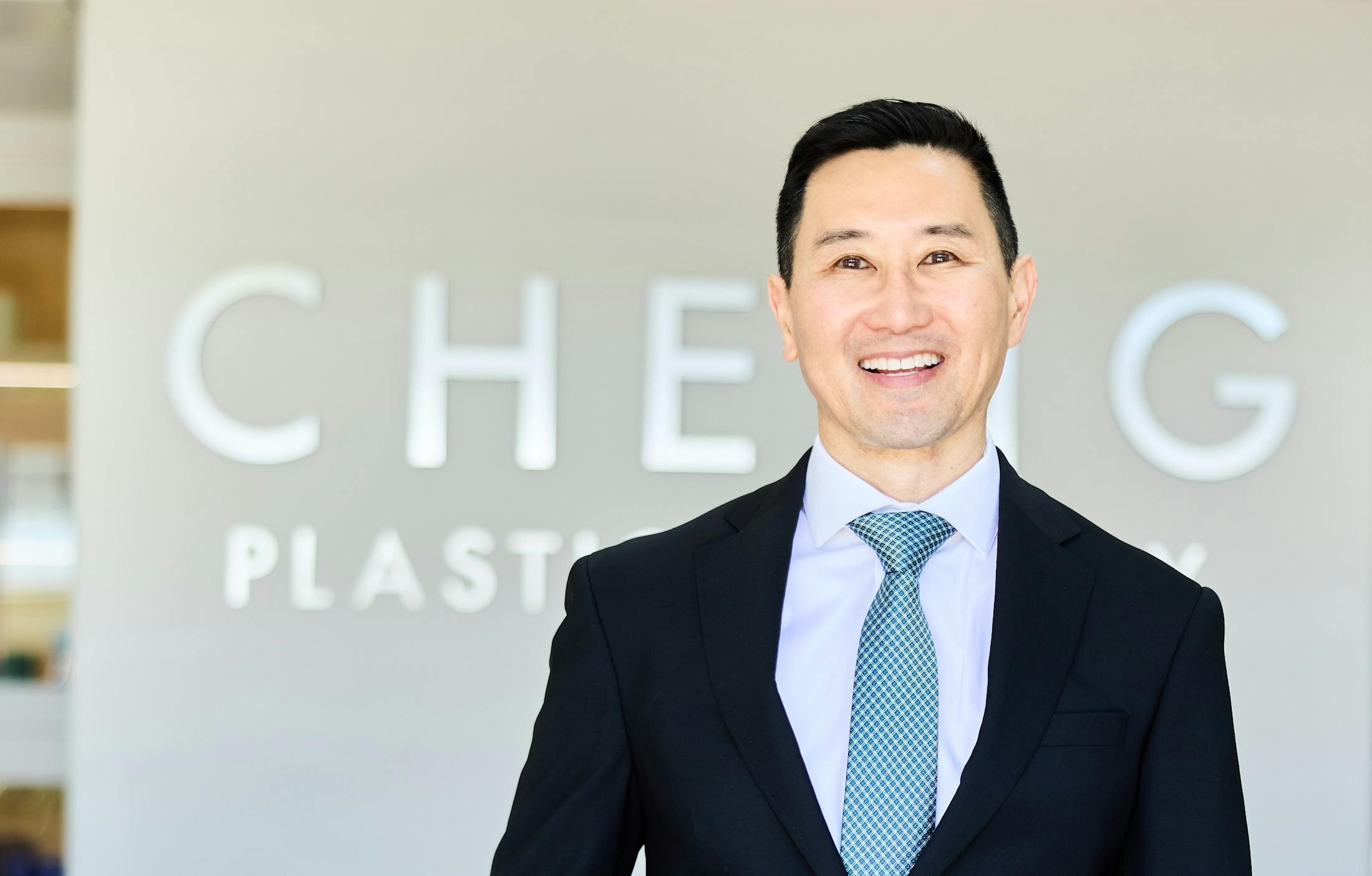
Cheng Plastic Surgery is led by Dr. Elbert T. Cheng and Dr. Jacqueline T. Cheng, a brother-sister team of double board-certified facial plastic surgeons with more than 20 years of combined experience treating the face, scalp, and hairline. Their Stanford training and shared focus on natural results carry into every hair restoration plan built at the practice's Saratoga and Redwood City offices. Patients noticing thinning hair can schedule a consultation to find out which approach fits their goals.

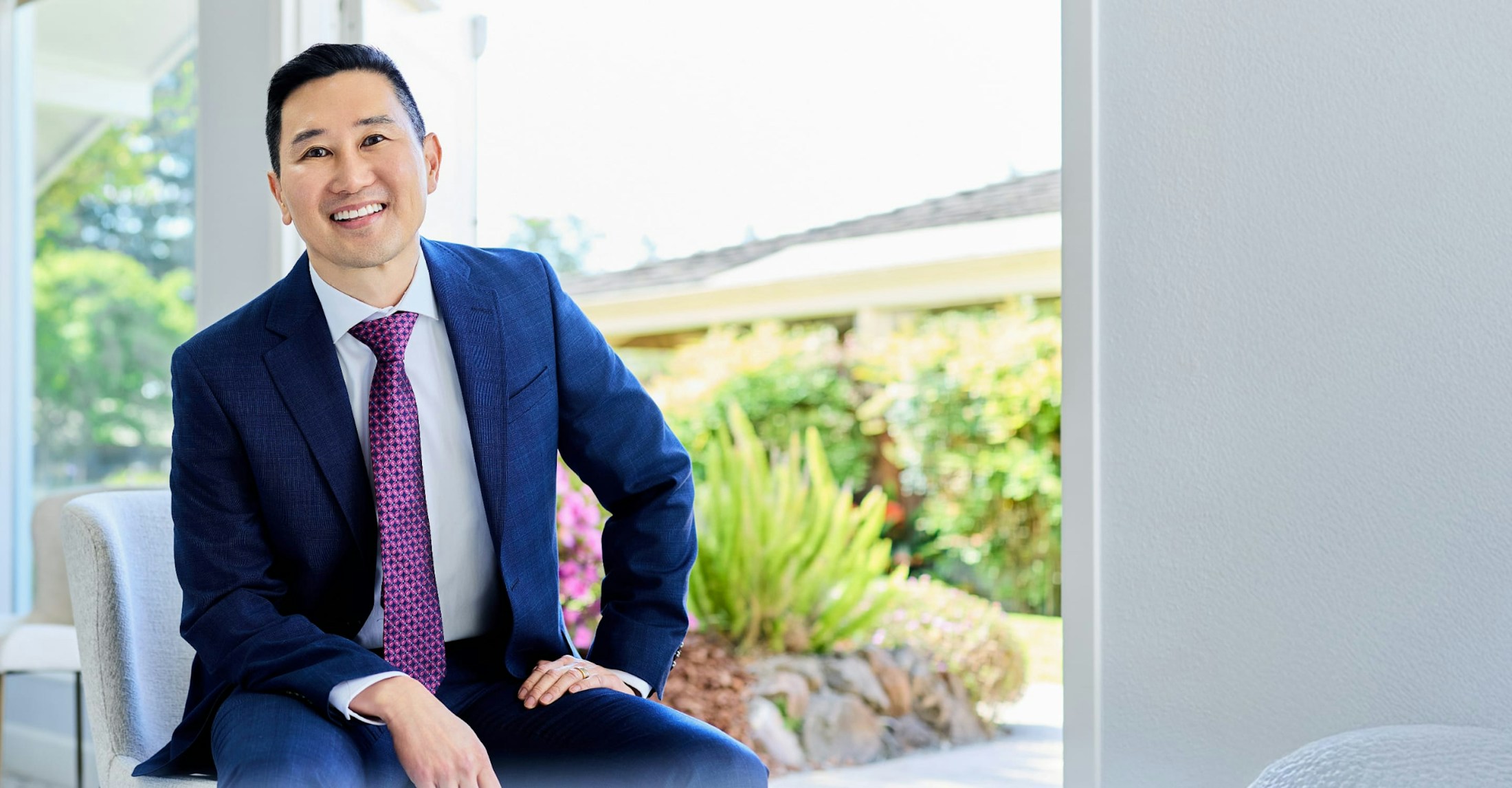
Man smiling while sitting in a chair

What Is PRP and PRF Hair Restoration?

PRP (Platelet-Rich Plasma) and PRF (Platelet-Rich Fibrin) are minimally invasive hair restoration treatments that use growth factors from a patient's own blood to stimulate dormant or thinning hair follicles. Rather than relying on topical products or surgery, both treatments work with the body's own healing response to support thicker, healthier-looking hair over time. Cheng Plastic Surgery offers both options so patients can choose the approach, or combination, best suited to their hair loss pattern.

PRP vs. PRF for Hair Restoration: What's the Difference?

Both treatments start with a blood draw, but the processing changes how each one works. PRP is spun at a higher speed to create a concentrated dose of platelets and growth factors, delivering a fast, potent boost to the scalp. PRF is spun more gently, which preserves white blood cells and forms a fibrin matrix. That matrix releases growth factors more gradually, over a longer window.

Neither is better across the board. PRP suits patients who want a concentrated, well-established protocol, while PRF suits those looking for a slower, sustained release. PRF can also be delivered through microneedling, sometimes called microchanneling, as an alternative to injection for patients who prefer it. The clinical team at Cheng Plastic Surgery reviews each patient's hair loss pattern during a consultation to recommend PRP or PRF, along with the delivery method that fits their treatment plan.

Benefits of PRP and PRF Hair Restoration

Patients may notice a range of benefits from PRP and PRF hair restoration, including:

  • Stimulation of natural hair growth using the body's own platelets
  • No surgical incisions, scarring, or significant downtime
  • A choice between PRP, PRF, or a combined protocol based on scalp condition
  • Delivered by injection or by microneedling, depending on patient preference
  • Support for existing hair transplant results or standalone use for early thinning
  • Quick, in-office sessions that fit easily into a normal schedule
Banner media

Am I a Good Candidate for PRP or PRF Hair Restoration?

Good candidates are typically men and women noticing early to moderate thinning, including pattern hair loss, who want a non-surgical way to support regrowth before considering more invasive options. A healthy blood profile and realistic expectations about gradual, cumulative results also matter. Patients with more advanced or widespread hair loss may be better served by combining PRP or PRF with a surgical hair transplant, which the clinical team can discuss during a consultation.

Why Choose Cheng Plastic Surgery for PRP or PRF Hair Restoration?

Cheng Plastic Surgery brings a rare combination to hair restoration: two double board-certified facial plastic surgeons working from the same practice, each bringing their own surgical eye and clinical judgment to every case. Most PRP and PRF treatments are performed by the practice's nurse team, trained directly by Dr. Elbert and Dr. Jacqueline and held to the same high standard of quality and professionalism. That sibling-led oversight, paired with an in-house surgical center, means patients get a treatment plan matched to their specific hair loss pattern rather than a one-size-fits-all approach.

Doctor media

Your Consultation

A PRP or PRF hair restoration consultation at Cheng Plastic Surgery starts with a close look at the scalp and a conversation about hair loss history, health background, and goals. From there, the clinical team walks through whether PRP, PRF, or a combination with microneedling makes the most sense, along with a realistic timeline for seeing results. Patients leave with a clear, personalized plan rather than a generic treatment schedule.

How Much Does It Cost?

The cost of PRP or PRF hair restoration varies depending on the number of sessions recommended and whether treatment is delivered by injection or microneedling. Pricing is reviewed in detail during the consultation once a treatment plan is in place. Cheng Plastic Surgery also partners with CareCredit and Cherry financing to help make treatment more accessible.

What to Expect During PRP or PRF Hair Restoration

Blood Draw and Preparation

The process begins with a simple blood draw, similar to a routine lab visit. The sample is collected into a specialized tube designed to separate its components cleanly, setting up the next step in creating either the PRP or PRF solution.

Separating PRP or PRF

The blood sample is placed in a high-speed centrifuge. For PRP, a faster spin isolates a concentrated layer of platelets and growth factors. For PRF, a gentler spin preserves white blood cells and allows a fibrin matrix to form, creating the slow-release effect that sets it apart from PRP.

Scalp Treatment

Once the solution is ready, the scalp is numbed and treated with the method best suited to the patient's plan. Some patients receive the PRP or PRF through direct injection into the areas showing thinning, using a fine needle. Others receive it through microneedling, sometimes called microchanneling, which uses tiny needles to create microscopic channels in the scalp so the solution can absorb through the surface instead of being injected.

Background media

PRP and PRF Hair Restoration Recovery

Most patients experience mild redness, tenderness, or swelling at the injection sites for a day or two, with little to no interruption to daily routines. The clinical team provides specific guidance on washing and caring for the scalp in the days following treatment.

Follow-up sessions are typically spaced a few months apart, since PRP and PRF work cumulatively rather than all at once. Spacing treatments this way allows the scalp time to respond before the next round of growth factors is introduced.

PRP and PRF Hair Restoration Results

New hair growth is usually gradual, with most patients noticing visible changes in scalp coverage within several months of starting treatment. Improvement can continue for a year or more as follicles respond to repeated sessions, and many patients choose periodic maintenance treatments to sustain their results over time.

Logo media

Related Hair Restoration Treatments

  • NeoGraft Hair Transplant: A surgical option for patients with more advanced hair loss who want a permanent, follicle-by-follicle solution.
  • HydraScalp with Keravive: A scalp treatment that cleanses and nourishes hair follicles to support a healthier growth environment.
  • Eyebrow Restoration: A targeted option for patients looking to restore fullness and shape to thinning eyebrows.
  • Beard Restoration: A transplant-based treatment for patients seeking a fuller, more defined beard.
  • Latisse: A prescription treatment that can help grow longer, fuller eyelashes.
Banner media

FAQs PRP & PRF Hair Restoration

Is PRP or PRF hair restoration painful?

Most patients tolerate the treatment well. The scalp is numbed beforehand, and any discomfort during or after the injections is typically mild and short-lived.

How long does a PRP or PRF session take?

A typical session, including the blood draw, processing time, and scalp injections, usually takes under an hour.

Are there any risks or side effects?

PRP and PRF are generally considered low risk since the solution comes from each patient's own blood, which lowers the chance of allergic reaction or rejection. As with any injection-based treatment, mild bruising or temporary discomfort at the injection site is possible.

Is there anything I need to do to prepare for a PRP or PRF treatment?

Patients are generally asked to avoid blood thinners, alcohol, and anti-inflammatory medications for a few days before their appointment and to arrive well hydrated for an easier blood draw. The clinical team reviews specific preparation steps during the consultation.

Is PRP or PRF hair restoration covered by insurance?

PRP and PRF hair restoration are considered cosmetic treatments and are typically not covered by insurance. Financing options are available to help manage the cost.

How is PRP or PRF different from over-the-counter hair growth products?

Over-the-counter products work on the scalp's surface and require ongoing use to maintain any benefit. PRP and PRF deliver concentrated growth factors directly into the scalp, targeting follicles at a deeper level than topical products can reach.

Can PRP or PRF stop hair loss from progressing, or only regrow existing hair?

PRP and PRF are primarily used to stimulate existing follicles and support new growth. They work best as part of an ongoing plan rather than a one-time fix, and the clinical team can advise on maintenance treatments to help manage hair loss over time.

art

Start Your Hair Restoration Journey

Thinning hair doesn't have to be permanent. Cheng Plastic Surgery offers PRP and PRF hair restoration at both the Saratoga and Redwood City offices, with a treatment plan built around each patient's hair and goals. Schedule a consultation to find out which option is the right fit.

Contact us media
Accessibility: If you are vision-impaired or have some other impairment covered by the Americans with Disabilities Act or a similar law, and you wish to discuss potential accommodations related to using this website, please contact our Accessibility Manager at (408) 741-9982.
Translate icon